

Valence is the prefecture of the Drôme département. Thanks to its geographical position, it is a crossroads town with an ancient and varied architectural heritage. Here’s a quick tour of the city on the banks of the Rhône.

Geography of Valencia
Situated in the Rhône Valley, Valence in the Drôme, also known as the “Gateway to the South”, was built on terraces close to the Rhône River.
The town is at the crossroads of a number of major transport routes linking it to the north and south of Europe, as well as to the Alps, Italy and Switzerland( A7motorway between Paris and Marseille, A49 motorway to Grenoble).
Two main mountain ranges surround the town, with the Massif-Central and the Vivarais foothills in the Ardèche, and the Vercors on the Alps side.

History
In 121 BC, a battle pitted Gallic tribes against Roman legions near the future site of the city. The Romans emerged victorious and built a city on the foundations of their camp. From the outset, Valence was a strategic crossroads. The first city walls were built in 15 BC.
During the Middle Ages, the town developed and grew, and various religious buildings were constructed.
The Rhône River, which flows through the town, served as a border between the Kingdom of France and the Holy Roman Empire until the 15th century.
A university was founded in the 15th century. This contributed to the influence of Valencia, which was then experiencing its “golden age”.
In the 16th century, a citadel and a number of bourgeois houses were built.
In the 17th century, several religious orders appeared, making the city an important spiritual centre.
In the 19th century, the city expanded and underwent a metamorphosis. New public spaces and buildings were built, and boulevards replaced the ramparts.
Economy
Its economy is essentially based on the agri-food industry (fruit canning), high technology (aeronautics, electronics), metallurgy and animation studios (moving image production companies).
River transport
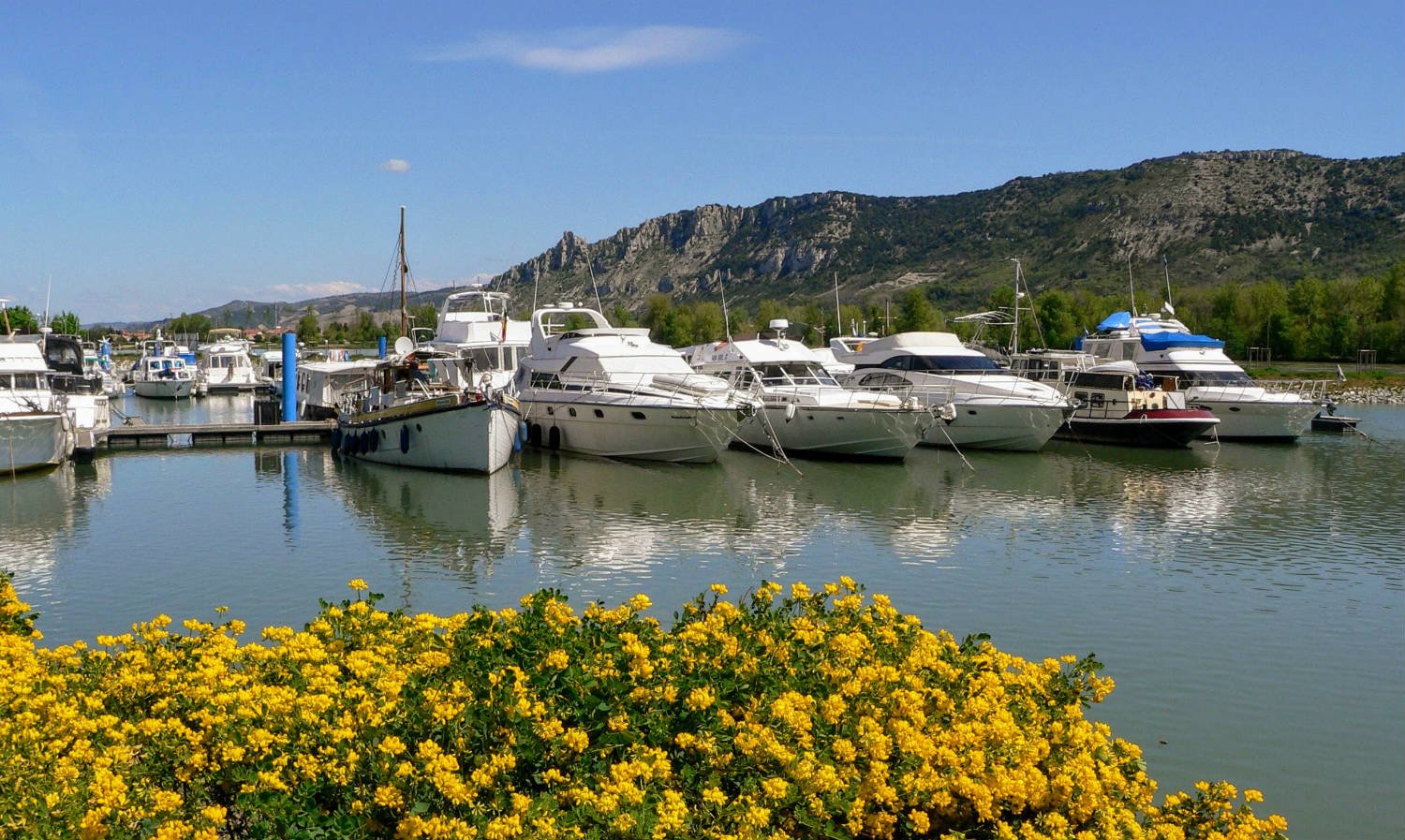
The flooding of the Rhône has long hampered port development in Valence. Despite this, the town has a marina(Port de l’Epervière) which is the leading river port in France.
The city also has a 41-hectare commercial port (Port of Valencia), which provides links between the Mediterranean basin and northern Europe.
Heritage and green spaces
The city, listed as a town of arts and history, boasts a rich architectural heritage.
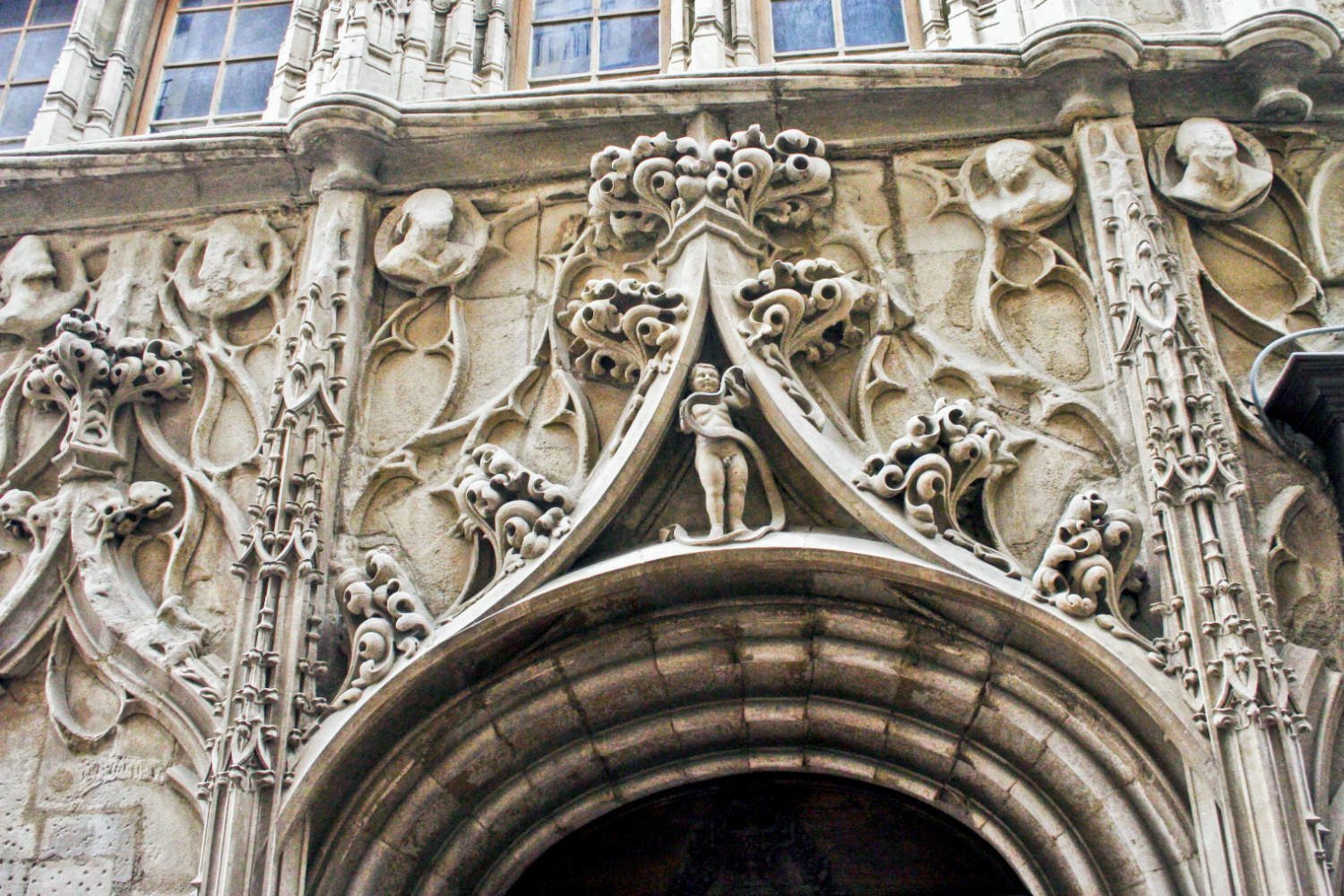
One of its most emblematic buildings is the “House of Heads“, built in the 16th century to mark the transition from the Gothic to the Renaissance style and adorned, hence its name, with several sculpted heads.
Saint-Apollinaire cathedral is the oldest monument in Valence, dating back to the 11th century.
The pendentive, a funerary building, dates from the middle of the 16th century and houses the tomb of the canon of Saint-Apollinaire cathedral.
Other highlights include the draper’s house (13th century), the church of Saint-Jean Baptiste (12th century) and the Moorish house (19th century), modelled on oriental buildings.
Valencia also has a museum of art and archaeology and a centre for Armenian culture.
The city has many parks and green spaces. The best known are Parc Jouvet and the Champ de Mars esplanade. The latter boasts a famous bandstand(the Peynet bandstand).
Numerous canals, built on former marshland, cross the city. Their total length is 17 kilometres, winding their way through the city.
Map of Valence
- Valence-related articles and pages:
Travel+
- Alixan TGV station, Valence town SNCF station
- Valence bus station
- Valencia, 2000 years of history
- Cycling in the Drôme on the ViaRhôna