
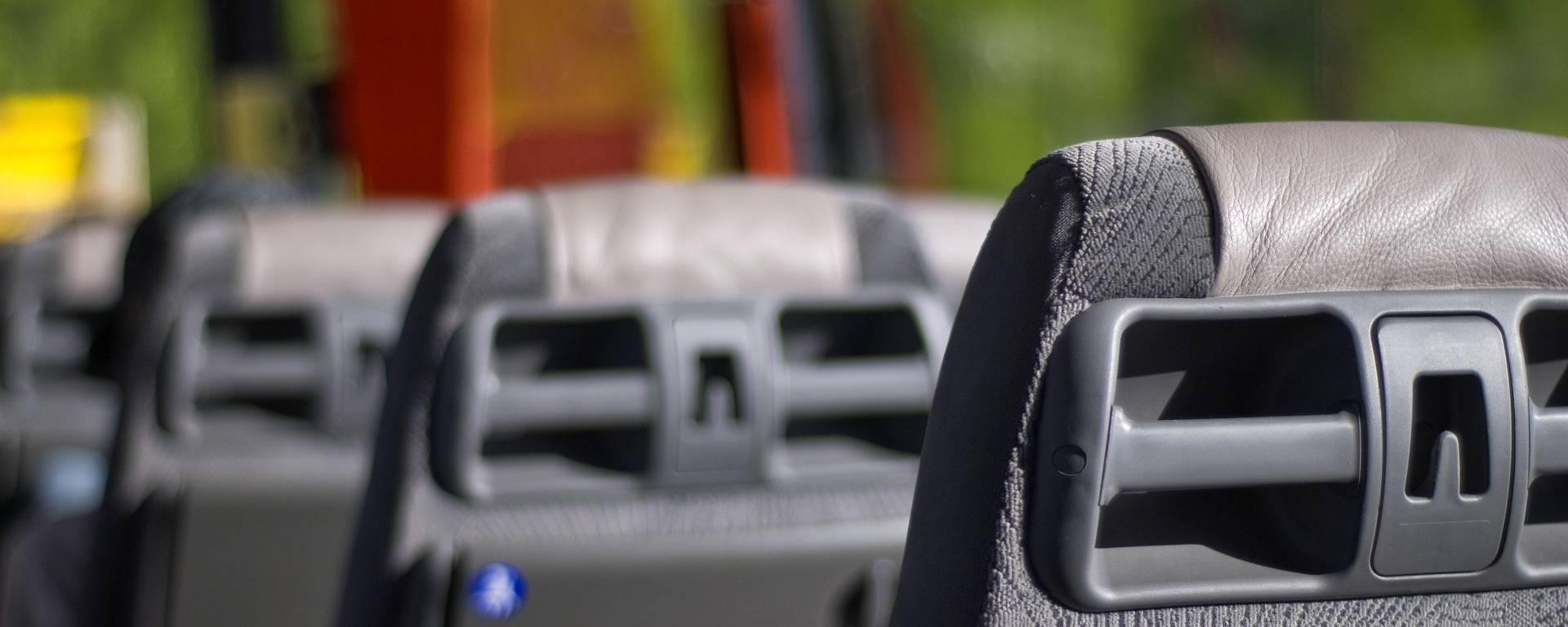
In a future where the challenges of sustainable mobility and inclusion are more present than ever, coaches and buses remain key players in our collective journey towards more connected and responsible horizons. A closer look at the history and practicalities of networks and routes around the world.

Find a bus?
Coaches and buses in France
Looking for bus stops, timetables and routes in the regions of France? Links and tips for travelling by coach:

Coaches and buses around the world
The history of coaches and buses, the faithful servants of public transport, is a global saga rich in innovations, challenges and transformations. From their beginnings in Europe to their expansion around the world, these vehicles have shaped mobility in towns and cities and in the countryside.
Their story is one of constant evolution, marked by technological advances, cultural adaptations and environmental challenges. From their genesis in Europe to their worldwide expansion, they have shaped and continue to shape the landscapes of our societies.
In a future where the challenges of mobility, sustainability and inclusion are more present than ever, coaches and buses remain key players in our daily mobility as well as in our collective journeys to less touristy and more authentic horizons.
A closer look at the history, geography and practicalities of these public transport vehicles, the mainstay of local traffic.
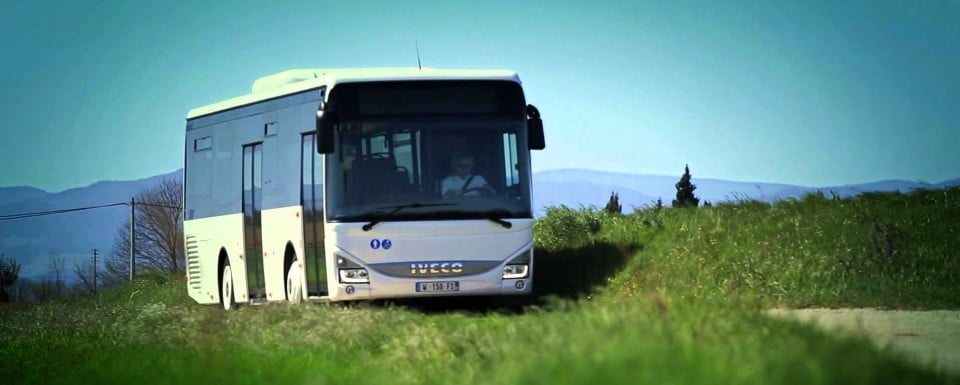
The birth of public transport
In the early 19th century, the first horse-drawn omnibuses appeared in France and the UK, laying the foundations for modern public transport. Advances in road infrastructure and vehicle design led to rapid expansion in Europe’s major cities.
Innovation in Europe
With the industrial revolution, the first motorised buses appeared, radically changing the dynamics of public transport. Buses for pedestrians in towns, coaches with luggage compartments for longer distances.
Pioneering cities such as Berlin and London became testing grounds for the first motorised buses. In 1912, the horse-drawn omnibus was definitively replaced by the bus in Paris.
The expansion of coaches and buses around the world
Between 1920 and 1930, coach and bus networks developed rapidly in Europe, offering a more flexible alternative to trams and trains. European bus design and technology also began to be exported, influencing the development of public transport in other parts of the world, such as the United States and Australia.
The post-war period heralded a new era of mobility, with the massive development of coach and bus networks as cities rebuilt and modernised their transport infrastructure. At the same time, the emergence of long-distance coaches opened up new travel possibilities, linking not only cities but also different countries, thereby promoting tourism and cultural exchanges.
Coaches and buses are becoming the most affordable and flexible means of transport, from the cities to the countryside.
As they expand globally, these collective vehicles in all their forms are adapting to local contexts, playing key roles in regions as diverse as the Americas, Asia and Africa.
Each region introduced its own innovations, such as the double-decker bus in the UK or the colourful jeepneys in the Philippines, public transport vehicles adapted from jeeps left behind by American forces after the Second World War.
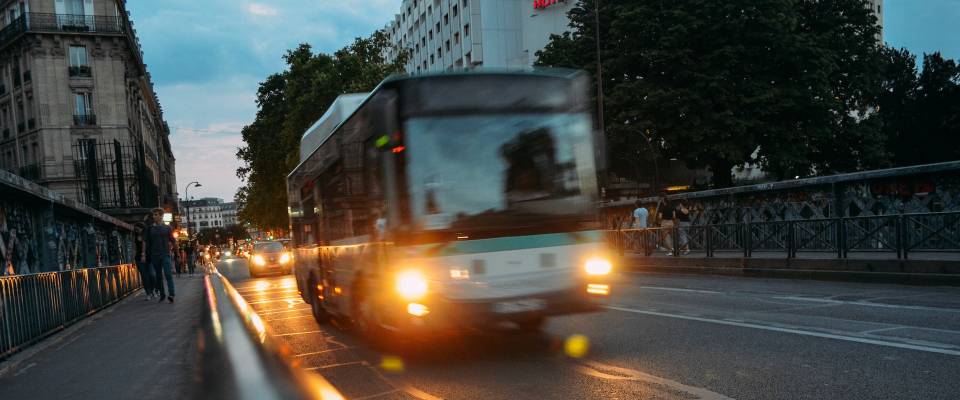
The challenges facing coaches and buses in the 21st century
Despite strong competition from the private car, with 281 million vehicles in circulation in the European Union in 2011, the bus remains a major transport tool that is constantly evolving.
Sustainable mobility
The commitment to moreenvironmentally-friendly mobility is reflected in the introduction of electric and hybrid powertrains, which significantly reduce carbon emissions and noise pollution. In an increasingly urban world, the challenges of congestion and air quality are becoming crucial.
Megacities such as Mexico City and Jakarta, faced with rapid demographic and urban growth, are looking to optimise their bus networks to effectively manage congestion and improve urban mobility.
Other cities, such as Oslo and San-Francisco, are running fully electric fleets on all or part of their routes, while pilot projects are testing innovations such as induction buses*, which recharge without contact at stops. Hydrogen-powered engines are also being tested.
The need to adopt more sustainable practices remains at the forefront, with coaches and buses playing a key role in promoting mobility with a low environmental impact.
Digital and outlook
The ongoing digital revolution is also transforming the user experience. From electronic ticketing systems to mobile journey planning applications, technology is facilitating access to information and improving passenger flow management.
These innovations are particularly visible in cities such as Helsinki and Tokyo, where the integration of real-time data and mobile payment services considerably simplifies travel.
Linking buses with other modes of transport, such as the metro and cycling, with the help of connected data, makes it possible to create integrated and efficient mobility systems that promote multimodality.
The future of public transport networks is moving towards more personalised and flexible services, tailored to the individual needs of passengers.
With the advance of technologies such as artificial intelligence(AI) and the Internet of Things(IOT), coaches and buses are moving towards connected mobile spaces, offering personalised services and greater interaction with the urban environment.
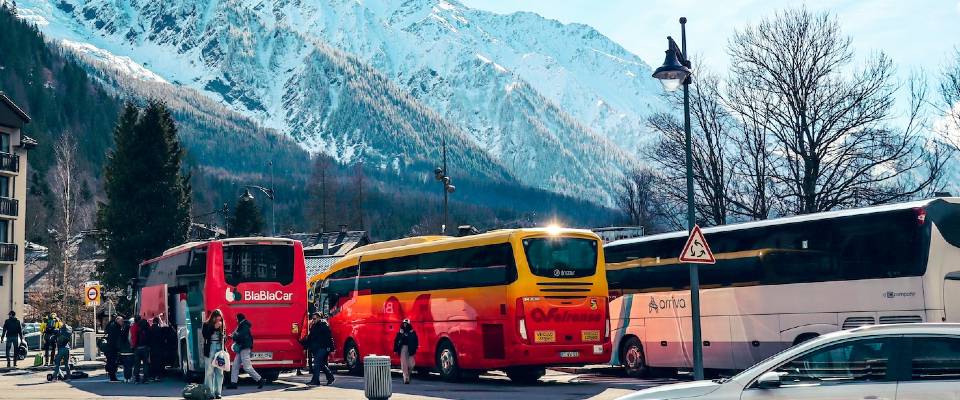
Tourism and bus travel
Bus networks stimulate the local economy, providing easy access to work, commerce and tourism. They play a crucial role in the development of rural and urban areas, linking communities and supporting territorial mobility. What’s more, for tourists, buses offer an affordable and authentic way to discover new destinations, whether close to home or on the other side of the world.
Buses in France
And on the practical side, from your daily commute to your next coach journey, here’s some information about travelling by public transport and bus in France : routes, timetables and networks.

Mainline buses
For your inter-regional connections and connections between major cities in France and Europe:





Buses in France’s regions
By region, practical information for your mobility:
Buses in the départements
Managed by the regions, departmental buses on a daily basis :
Travel+
- Sweden, an induction charging station, CDE
- Norway, Olso first large 100% electric city, RTBF
- San Francisco electric trolley buses, SFMTA
- IOT in public transport, DigitalCorner
- Bus , coach , Wikipedia
- Local and regional transport in France (French)
- Book a train ticket (French)
- Book a bus ticket (French)
- Traffic in France: motorways and major cities (French)
- Inforoute France: road network and traffic conditions (French)
- Where to sleep?
- Rent a car (French)
- Carpooling solutions? (French)