

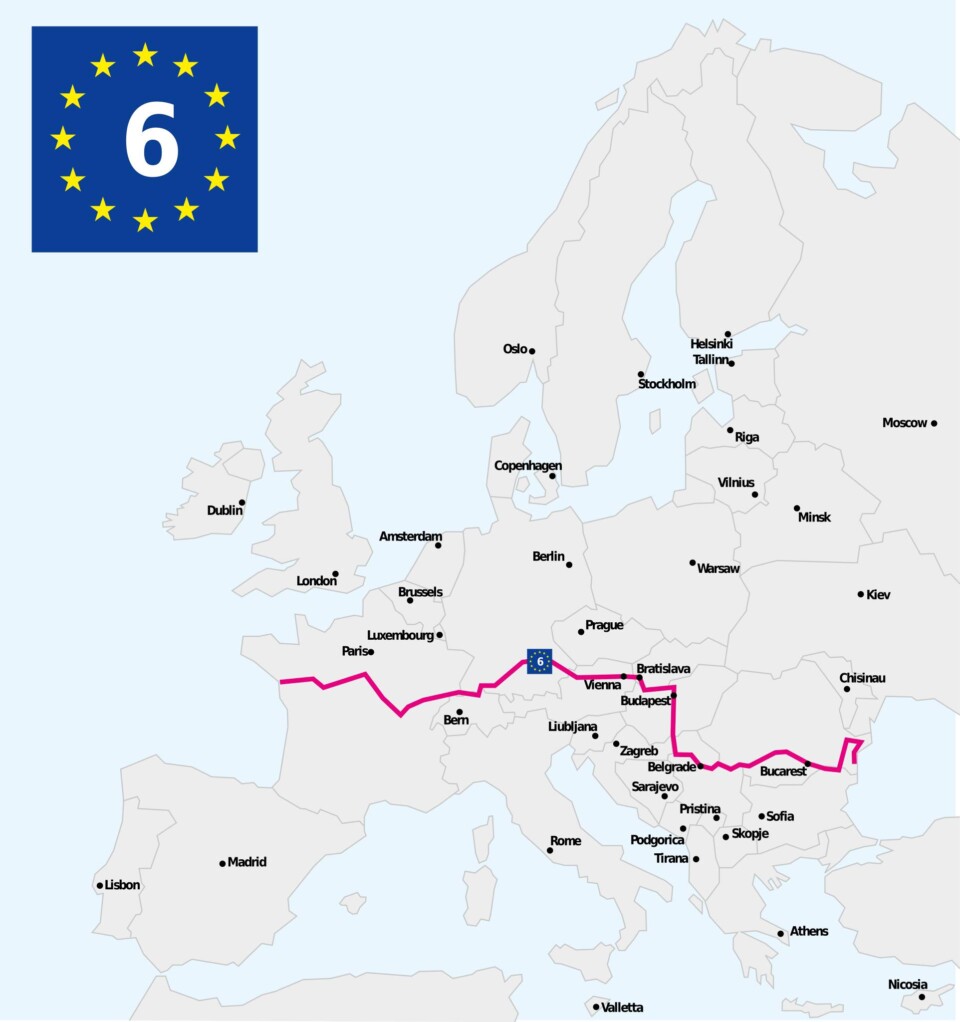
The EuroVelo 6 cycle route crosses Europe from west to east, from the Nantes region on the Atlantic coast of France to Constanta in Romania.
Covering a total distance of around 4,450 kilometres, it passes through 10 European countries:
Switzerland,Germany,Austria, Slovakia, Hungary, Croatia, Serbia and Bulgaria.
Eurovelo 6, known as the “river cycle route”, runs in part along three of Europe’s most important rivers: the Loire in France, the Rhine between France, Switzerland and Germany, and the Danube in Germany.
Extremely popular with amateur and professional cyclists alike, this gently undulating cycle route spans centuries of European civilisation.
From the beauty of the river environments to the heritage of the towns it passes through, not forgetting the many buildings and châteaux, some of them in the heart of famous vineyards, this green route, which is still in the making, is an invitation to travel by bike.
Where does Eurovelo 6 go?
Departing from Saint-Brévins-les-Pins in the Nantes region, the cycle route in France follows the Loire River from its estuary to Digoin in Burgundy-Franche-Comté (French), passing through Orléans and Nevers on the way to Switzerland via the Saône and Doubs valleys, before Besançon, Mulhouse and then Basel in the Swiss canton of the same name.
It then continues up the Rhine valley at the foot of the Swiss Alps to Lake Constance, before heading north towards the town of Ulm in Germany, and continues along the Danube past the towns of Ingolstadt, Regensburg, Degendorf and Passau, on the border with Austria.
The route continues along the Danube to Austria‘s famous capital, Vienna, before continuing to the Hungarian border and its capital, Budapest, before turning south to Belgrade in Serbia.
Once again heading east, the cycle route continues towards Romania, which it crosses as far as the shores of the Black Sea via the towns of Daia, Ruse and Constanta.
In France, along the Loire and Doubs rivers
The journey follows the Loire by bike from Saint-Brévin-les-Pins near Nantes to Nevers, then the Saône and Doubs rivers to Mulhouse via Besançon.
As well as the splendour of the châteaux of the Loire Valley to discover, there are the prestigious vineyards of Burgundy to cycle through, both for the scenery and for the tastings if you’re a fan of local gastronomy and fine wines!
Along the way, you can also stop off in Besançon to visit the citadel.
In total, on the French side of the border, there are 1,300 kilometres of cycling itinerary to be enjoyed on generally flat terrain with tracks in excellent condition. An ideal route for beginners, for gentle cycling and for families.
The Loire by bike route has been a growing success for almost 10 years, with more than 800,000 cyclists a year– a figure that is constantly rising.
From châteaux to flagship towns
The Loire and the Danube by Bike are the two most travelled and famous cycle routes for cycling enthusiasts, with a historical and cultural heritage that is unique in the world.
There are more than a dozen Unesco World Heritage sites along the Eurovelo 6 route, near or in the regions it passes through.
What the two rivers have in common: an extraordinary heritage.
The Loire Valley boasts some of the most beautiful châteaux in France: Chambord, Villandry, Angers, Amboise, Chenonceau…
The Danube has seen the development of cities with impressive heritage and influence, such as Vienna, whose city centre is a World Heritage Site.
Other examples include Bratislava, Budapest, Belgrade, Ulm, Passau and Regensburg.
To see across Europe
A few suggestions along the Eurovelo 6 :
In Switzerland
- Medieval heritage and the remains of the Roman Empire
- Lake Constance
Germany
- The world’s tallest bell tower in Ulm
- The small village of Donauwörth, famous for its beautiful streets
- Regensburg and its Roman heritage are a UNESCO World Heritage Site
Austria
- Linz, voted European Capital of Culture in 2009
- The Wachau Valley, with its castles, abbeys and vineyards listed as a UNESCO World Heritage Site.
- The historic cities of Melk and Krems
- Vienna, the capital, and its exceptional city centre
- Donau-Auen National Park
Beyond that, you can discover the many assets of other countries, including Croatia and its marvellous nature park, or Bulgaria and Romania, with their spectacular landscapes and friendly locals.
Map: Eurovélo 6, from the Atlantic to the Black Sea
EuroVelo 6 on the web
- Maps, routes and general information :

official website
Ride with GPS
Wikipedia
Practical guides and maps
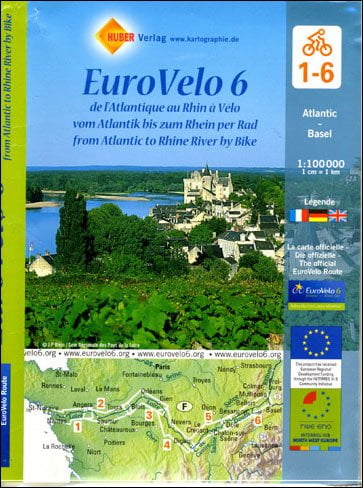
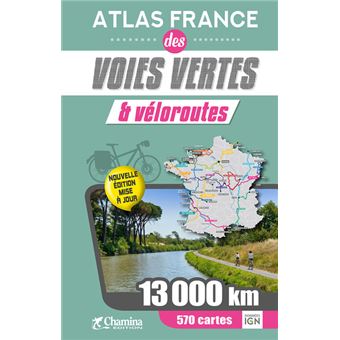
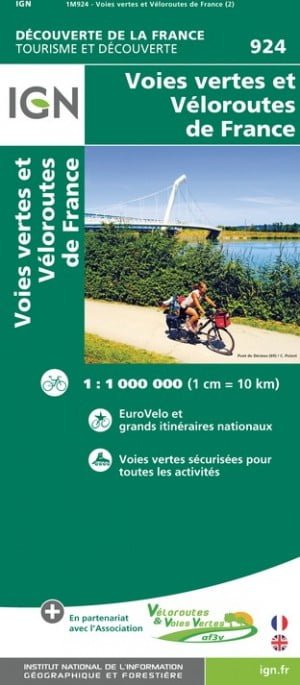
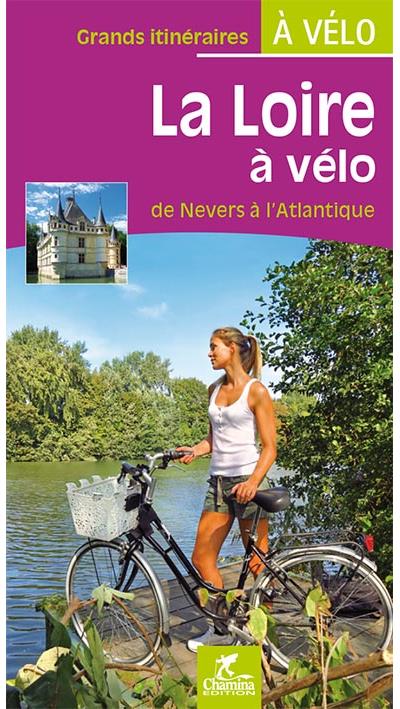
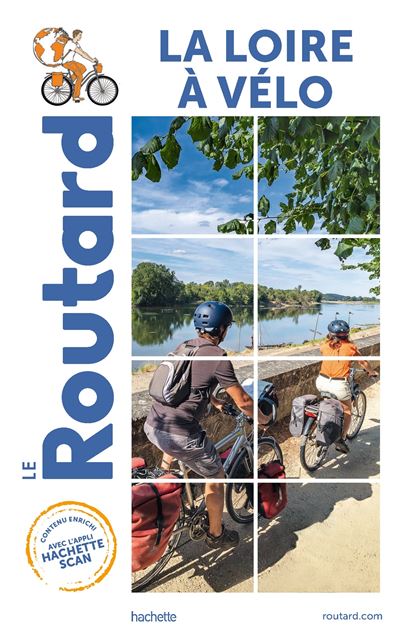
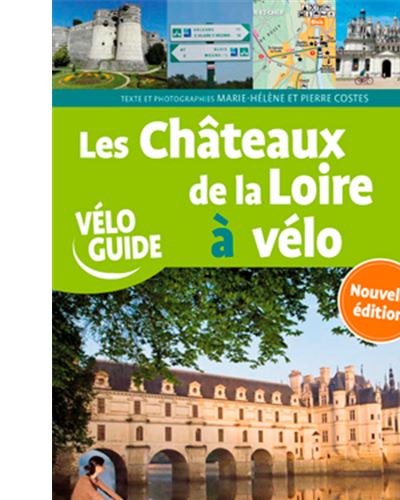
A closer look at all the EuroVelo greenways in Europe:

List of EuroVelo
- EuroVelo 1: Atlantic Route and Vélodyssée
- Eurovelo 17 : The ViaRhôna, greenway and cycle route in the Rhône valley
- EuroVelo 6: River cycle route, from the Atlantic to the Black Sea
Webzine+
- Greenways and cycle routes
- Euro-velo in France
- Euro-Vélo Wikipedia page
- Euro Velo on Openstreetmap
- European Cyclists’ Federation (ECF)
- National cycle route plan in France
- Euro-Véloroutes maps and guides